The Logic Behind Player Positions
The position in football is an organizational concept pertaining to space, responsibility, and movement over distance on the football field. The game would be chaos without a structured arrangement of roles. The very point of each role is to answer a basic quibble: who guards the goal, who messes up the opponent, who connects play, and who finishes attacks. Although modern soccer emphasizes a fluid style of play, these fundamental duties still make up the essence of team play.
Positions are something that guide decision-making at each level in soccer. Players understand where to move, tackle the opposition, or support teammates. Despite some subtle changes in formation during the course of the match, the basic responsibilities are retained, thus keeping shape and purpose of the roles.
Why Roles Still Matter in a Fluid Game
Modern soccer emphasizes versatility, yet defined roles remain essential. A defender stepping into midfield or a forward tracking back does not erase positional identity. Instead, it builds on it. Players move with intention because they understand what their primary role demands in different phases of play.
This balance between structure and freedom allows teams to adapt without losing control. When roles are unclear, gaps appear and opponents exploit them. Clear positional understanding ensures that creativity operates within a framework that protects the team as a whole.
How Formations Influence Responsibilities
Formations provide a visual map of player roles, but they do not fully define them. A back four, for example, looks similar across teams, yet responsibilities vary depending on style. Some defenders stay deep, others push high. The formation sets expectations, but interpretation brings it to life.
Understanding this distinction helps explain why two teams using the same formation can look entirely different. Roles are shaped by tactical instruction, player traits, and match context, not just numbers on a board.
The Goalkeeper: The Last Line of Defense
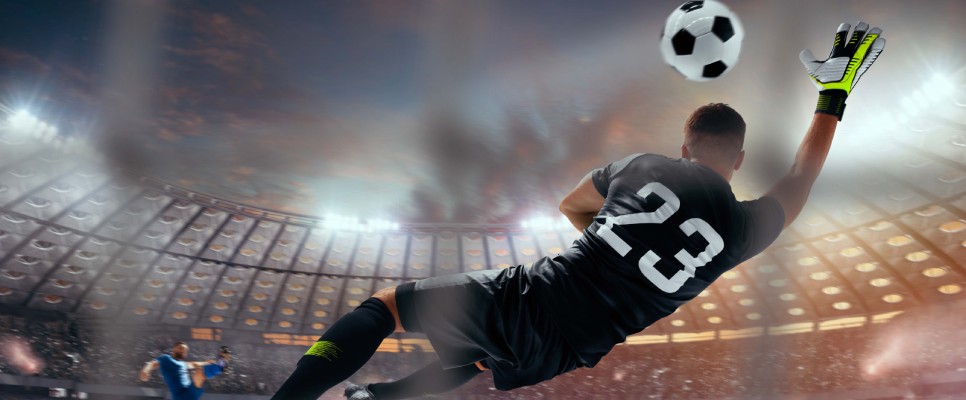
The goalkeeper holds a unique position that is governed by distinct rules and expectations. They most certainly understand their prime duty: preventing the ball from crossing the line. But the modern-day interpretation of goalkeeping is much greater than shot-stopping. Nowadays, keepers help organize and distribute from the back, and sometimes technically kick-start the attack.
Having a panoramic view of the pitch allows keepers to regulate the defensive line through constant verbal interaction. Without a doubt, the decision making of the goalkeeper helps to compress the environment into a press or create chaos.
Shot-Stopping and Positioning
At the heart of goalkeeping lies shot-stopping. This involves anticipation, reflexes, and precise positioning. A well-positioned goalkeeper reduces the visible target for attackers, forcing shots into less dangerous areas. Many saves are made before the ball is struck, through smart positioning rather than acrobatics.
Consistency matters more than spectacle. Reliable handling, controlled rebounds, and calm responses under pressure build trust within the team and reduce second-chance opportunities for opponents.
Distribution and Starting Attacks
Modern goalkeepers are expected to contribute with the ball at their feet. Accurate throws and passes allow teams to transition quickly from defense to attack. Poor distribution, by contrast, can invite immediate pressure and undo defensive work.
This role requires composure and awareness. A goalkeeper must read the field, assess risk, and choose between quick release or controlled buildup, often under intense pressure.
Command of the Penalty Area
Beyond saves and passes, goalkeepers control their area. They decide when to claim crosses, when to punch, and when to stay on the line. Clear communication reduces uncertainty for defenders and prevents collisions or missed assignments.
This authority shapes defensive confidence. When defenders trust their goalkeeper, they defend more aggressively, knowing support is behind them.
Defenders: Protecting Space and Structure
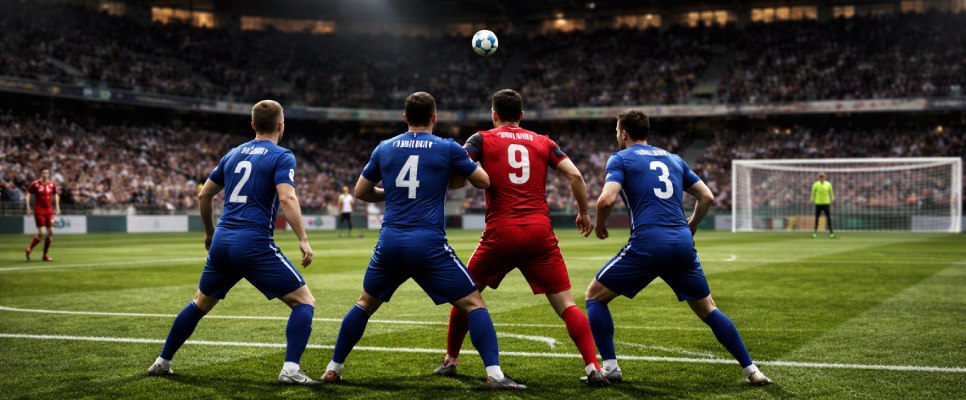
The defensive unit is the core of team organization, so the primary mission is indeed filling in all feasible shooting space. This is done through martial art quality dealing with opponents, denying them any chance to goal, and breaking them down in any possible way. Consequently, the role required is often those of the unassuming nature, with most results unnoticed.
Across the defence four are the variations of types of defence in each homestead, with main role of creating and maintaining shape and balance while keeping oppositions in check.
Central Defenders and Aerial Control
Central defenders operate in the most dangerous areas of the field. They face direct threats from opposing forwards and must excel in positioning, tackling, and aerial duels. Their reading of the game often determines whether attacks are stopped early or reach critical zones.
Beyond individual battles, central defenders organize the defensive line. They manage spacing, track runners, and decide when to step up or drop back, ensuring cohesion under pressure.
Full-Backs and Wide Defense
Full-backs defend the flanks, where space and speed pose constant challenges. They must balance defensive responsibility with the need to support attacks, often covering large distances throughout a match.
This dual role requires stamina and judgment. Advancing at the wrong moment can expose space behind them, while staying too deep limits attacking options. Successful full-backs read the game carefully and coordinate with teammates to manage risk.
Defensive Discipline and Team Shape
Defending is a collective effort. Individual skill matters, but discipline and coordination matter more. Defenders rely on midfield support, communication, and shared understanding to close gaps and apply pressure effectively.
When the defensive unit moves as one, opponents struggle to find space. When it fragments, even talented defenders are left exposed.
Midfielders: The Engine of the Team
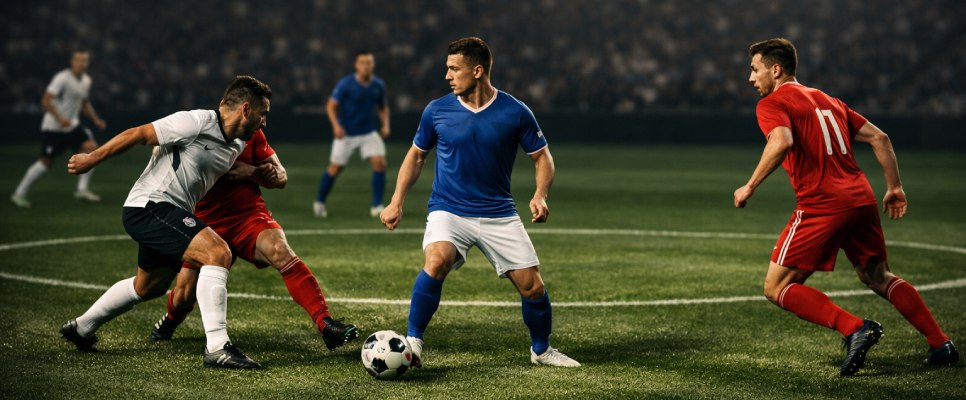
>Midfielders occupy the most dynamic area of the field, linking defense and attack. Their role adapts constantly as possession changes, making them central to a team’s rhythm and identity. Good midfield play often determines who controls the match.
Because they influence both ends of the field, midfielders must combine technical skill with tactical awareness and endurance.
Defensive Midfielders and Ball Recovery
Defensive midfielders shield the back line by breaking up opposition play. They intercept passes, win tackles, and slow attacks before they reach dangerous areas. Their positioning often determines how exposed defenders become.
This role demands discipline and awareness. Rather than chasing the ball, effective defensive midfielders anticipate movement and occupy spaces that disrupt attacking patterns.
Central Midfielders and Game Control
Central midfielders dictate tempo. They decide when to speed the game up and when to slow it down. Through passing, movement, and decision-making, they connect teammates and maintain possession under pressure.
Their influence is subtle but powerful. A composed central midfielder can calm a team during difficult moments and impose structure when the game becomes chaotic.
Attacking Midfielders and Creativity
Attacking midfielders operate closer to the opposition goal, where space is limited and decisions must be quick. Their role is to create chances through vision, movement, and technical skill.
This position often carries creative freedom, but it still requires discipline. Tracking back, pressing, and supporting midfield shape remain part of the responsibility, even for the most inventive players.
Forwards: Turning Chances Into Goals
The role of a forward is the most demanding in soccer as it requires scoring goals. Among the plethora of talents needed to succeed in this position, finishing is considered the measuring stick. The efforts they put in to create openings are reflected in the efficacy of the offensive group.
Skipping over defenders left behind is a sign of a virtuoso at the forward position. Sometimes waiting is more aggressive than attacking the opponent's space.
Strikers and Penalty Area Presence
Strikers operate closest to the goal, where small movements make a big difference. Finding space, timing runs, and anticipating rebounds are core elements of the role. Physical strength and composure under pressure are equally important.
While goals define strikers, their off-the-ball work matters too. Holding up play and drawing defenders out of position create opportunities for teammates.
Wide Forwards and Movement Off the Ball
Wide forwards stretch defenses by occupying wide channels and cutting inside. Their pace and dribbling challenge full-backs and create numerical advantages in attacking areas.
This role demands versatility. Wide forwards must contribute defensively, track back when needed, and adapt positioning based on the flow of play.
Pressing and Defensive Contribution
Modern forwards are expected to defend from the front. Pressing opposition defenders disrupts buildup and forces mistakes. This defensive effort sets the tone for the entire team.
Effective pressing requires coordination and timing. When forwards lead intelligently, they protect midfielders and defenders while increasing attacking opportunities.
Shared Responsibilities Across the Team
While positions define primary duties, soccer functions through shared responsibility. Every player contributes to both defense and attack in different phases of play. Understanding these overlaps helps explain the game’s complexity.
One section below summarizes key shared principles that apply regardless of position.
- Maintaining team shape during transitions
- Communicating constantly to manage space
- Supporting teammates when possession changes
- Making decisions that balance risk and control
How Roles Evolve With Experience
Player roles are not static. As players develop, they often take on additional responsibilities or adapt to new positions. Experience sharpens decision-making and broadens tactical understanding.
Youth players typically focus on mastering basic responsibilities. On higher levels, players acquire an ability to read the game, anticipate situations, and drive multi-phases of play. This evolution reflects a deeper understanding of how individual roles serve the team.
Adapting to Tactical Demands
Coaches adjust roles based on opponents, match situations, and available personnel. A defender may push higher to support attacks, or a midfielder may drop deeper to protect a lead. These adjustments rely on trust and clarity.
Players who understand their core role adapt more easily. Flexibility grows from knowledge, not improvisation alone.
Versatility and Modern Expectations
Modern soccer values players who can perform multiple roles. Versatility offers tactical options and resilience during matches. However, versatility does not replace specialization; it builds upon it.
Players succeed when they master a role first, then expand their contribution. This layered development strengthens both individual careers and team performance.
Understanding the Game Through Roles
Using roles, soccer games can be conceptualized beyond the ball. They explain why teams move in the way they do, how space is controlled, and whose responsibility it is under such critical situations. As in the art of the game, it is the rigid framework of game structure that gives meaning to the creative essence and rules in soccer. Knowing the reasons why the players' roles are different will increase the beauty of the game as well as the teamwork that turns 11 individuals into a working team.
History made 🏆
— FIFA (@FIFAcom) February 2, 2026
The first-ever FIFA Women’s Champions Cup has concluded, crowning @ArsenalWFC as its inaugural winners.
Relive some of the best #FIFAWCC moments 📸 pic.twitter.com/VpRZp8IzLB
With the kind support: